
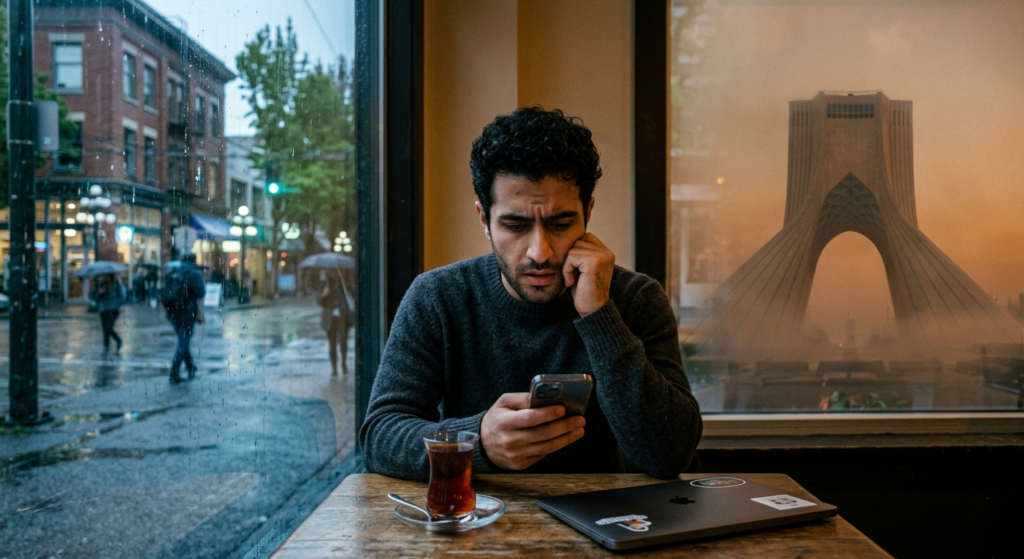
Iranians Abroad in a Time of War, Crisis, and Uncertainty

Iranian Community Living Between Two Worlds
For many Iranians abroad, the current situation is not only a political crisis or a distant war. It is a personal and emotional reality that enters daily life through every phone call, every news alert, every internet blackout, and every unanswered message from family inside Iran.
The Iranian diaspora is large, diverse, and spread across the world. Estimates vary, but Iran’s Ministry of Foreign Affairs reported in 2021 that more than 4 million Iranians were living abroad. Other estimates place the number even higher, depending on whether they count only Iranian citizens, Iran-born migrants, or people of Iranian heritage.
Germany is one of the most important centers of this diaspora in Europe. According to German data reported by Mediendienst Integration, around 319,000 people with an Iranian migration background live in Germany, and about 128,000 Iranians have been naturalized in Germany over the past 25 years.
These numbers show that the Iranian story is not only happening inside Iran. It is also happening in Berlin, Munich, Hamburg, Toronto, London, Los Angeles, Stockholm, Paris, and many other cities where Iranians have built new lives while remaining emotionally connected to their homeland.
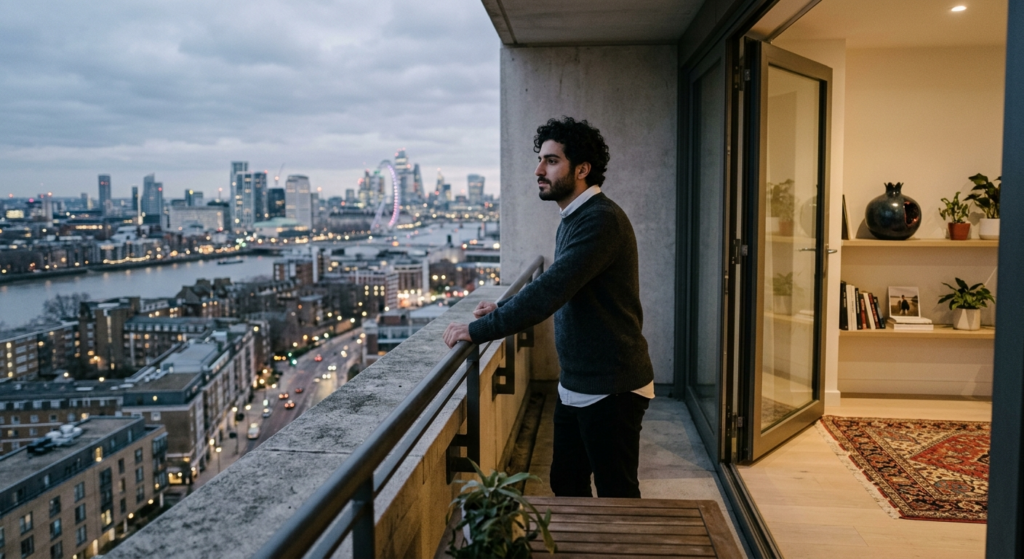
The War Is Not Far Away for Iranians Abroad
For people outside the Iranian community, war may appear as headlines, military maps, oil prices, or diplomatic statements. For Iranians abroad, it is much more intimate. It means worrying about parents in Tehran, relatives in Shiraz, friends in Isfahan, or classmates in Mashhad.
In March 2026, Reuters reported that the UN refugee agency estimated that up to 3.2 million people had been displaced inside Iran since the conflict began on February 28, 2026. UNHCR warned that this number could continue to rise as hostilities continue. This is one of the reasons the Iranian diaspora feels the crisis so deeply. Many Iranians abroad are not simply watching a country at war. They are watching neighborhoods they know, cities they grew up in, and families they left behind.
For many, the emotional question is simple but painful: “What can I do from here?”
The Anxiety of Silence
One of the hardest experiences for Iranians abroad is losing contact with loved ones. When the internet slows down or stops, silence becomes terrifying.
Iran already had one of the most restricted online environments in the world. Freedom House gave Iran an internet freedom score of only 13 out of 100 in its 2025 report, classifying the country as “Not Free.” The same report stated that the Iranian government continued to restrict thousands of websites and block or filter major social media platforms such as Facebook, TikTok, X, and YouTube.
Freedom House also reported that Iran imposed a near-total nationwide internet shutdown in June 2025 shortly after Israeli military strikes began, and that the shutdown was lifted after the 12-day conflict ended.
For Iranians abroad, these blackouts are not abstract censorship statistics. They mean unanswered messages. They mean not knowing whether a parent is safe. They mean checking Telegram, WhatsApp, Instagram, and news channels again and again, hoping for any sign of life.
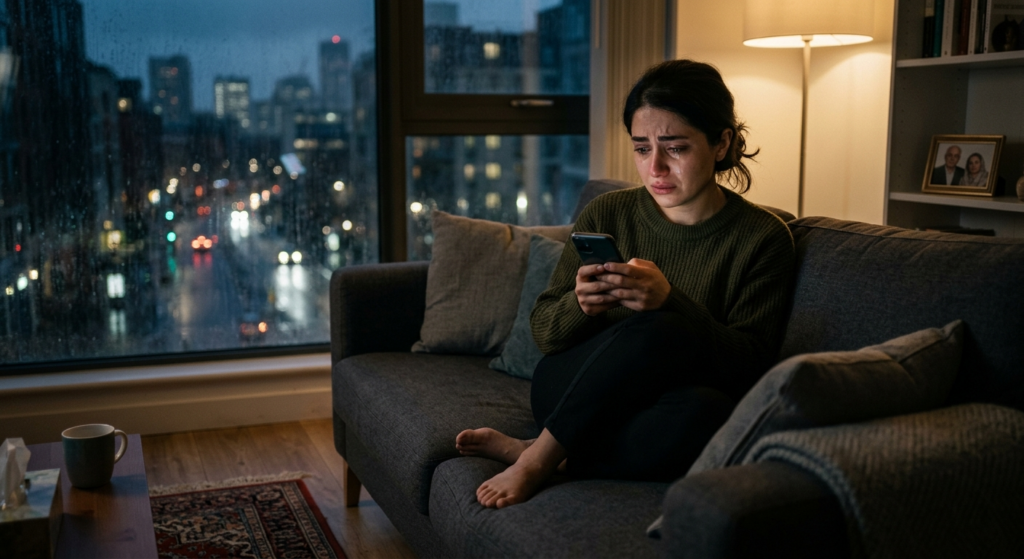
Economic Pressure and Daily Survival Inside Iran
Even before the latest war and displacement, ordinary Iranians were already facing severe economic pressure. Inflation, sanctions, currency depreciation, unemployment, and structural economic problems have made daily life increasingly difficult. The IMF’s country profile for Iran projects a very difficult economic picture for 2026, including real GDP contraction of 6.1 percent and consumer price inflation of 68.9 percent. For families inside Iran, this means rising food prices, unstable housing costs, shrinking purchasing power, and uncertainty about the future. For Iranians abroad, it often means becoming a financial and emotional support system for relatives back home.
Many diaspora families send money when they can, help with documents, search for migration options, or support younger relatives who want to study abroad. But this support can become emotionally exhausting. People abroad may feel responsible for family members while also struggling with their own rent, jobs, immigration status, and integration in a new country.
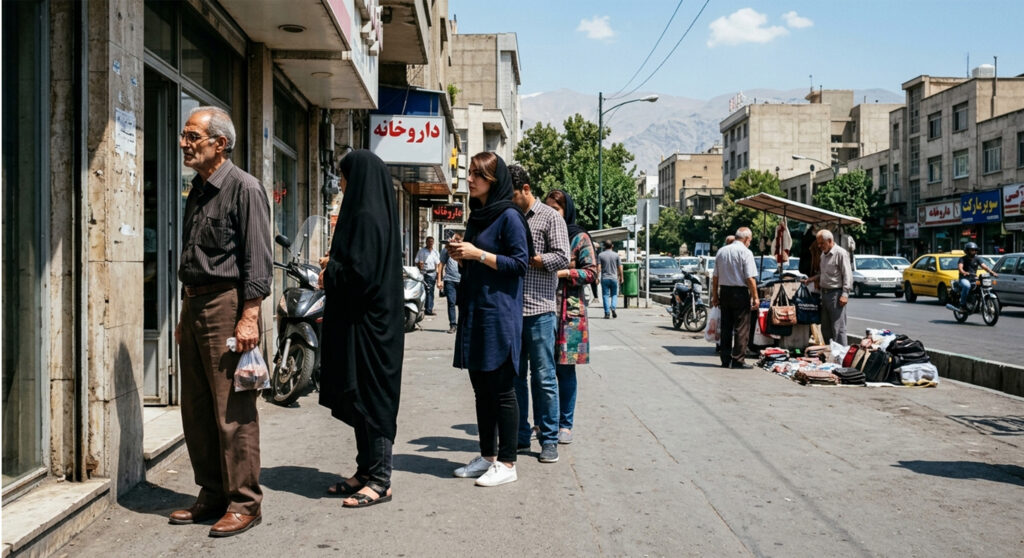
Migration, Asylum, and the Search for Safety
Iranian migration is not only about opportunity. For many people, it is about safety, freedom, and dignity.
In 2025, the International Organization for Migration reported that 2,636 migrants and refugees from Iran arrived in Europe by sea and land, representing 2 percent of total arrivals and an 11 percent increase compared with 2024.
In Germany, asylum applications from Iranian nationals remained significant. According to Asylum Information Database reporting, Germany recorded 5,817 asylum applications from Iranian nationals in 2024, while the BAMF issued 7,914 decisions on Iranian asylum cases that year.
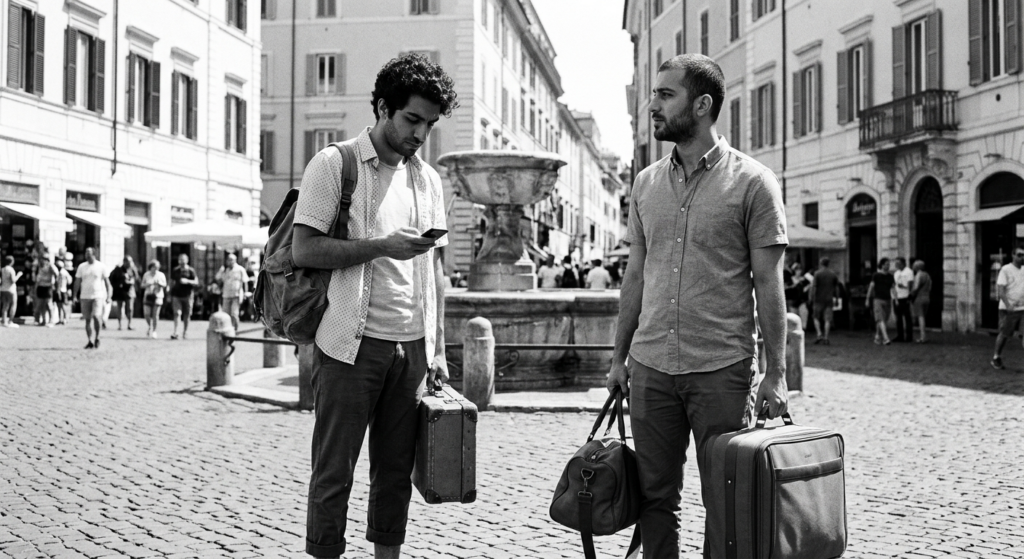
Behind every number is a human story: students who see no future, women escaping restrictions, activists fearing arrest, artists searching for freedom, religious minorities seeking protection, and families trying to give their children a safer life.
The Pressure on Iranian Identity Abroad
Being Iranian abroad today often means carrying a complicated identity. Many Iranians feel proud of Persian culture, language, poetry, music, food, family traditions, and history. At the same time, they may feel pain, anger, or shame when Iran appears in international news only through war, repression, sanctions, or crisis.
This creates a heavy emotional contradiction. Iranians abroad often have to explain their country to others, defend their culture from stereotypes, and separate Iranian people from the actions of the state.

Second-generation Iranians face another challenge. Some were born abroad but still feel emotionally connected to Iran through family, language, and memory. Others may not speak Persian fluently but still feel the pain of what is happening. They may ask themselves: Am I German, Canadian, American, British, or Iranian? Can I be all of these at the same time? The answer is often yes, but living with that answer is not always easy.
Political Division Within the Diaspora
The Iranian diaspora is not one single political group. It includes monarchists, republicans, secular activists, reformists, leftists, religious minorities, ethnic minorities, people who oppose foreign military intervention, people who support strong international pressure, and people who are tired of politics altogether.
This diversity is natural, but in moments of war and crisis, it can create deep tension. Families and friendships can become divided over questions such as:
- Should foreign governments intervene?
- Should sanctions be increased or removed?
- What kind of future should Iran have?
- Who truly represents the Iranian people?
- How can Iranians abroad help without speaking over people inside Iran?
These debates are emotionally intense because they are not theoretical. They are connected to fear, grief, memory, trauma, and hope.
Fear of Surveillance and Pressure Abroad
Another challenge facing Iranians abroad is the fear that political speech may have consequences. Reuters reported in March 2026 that Iran’s prosecutor general’s office warned Iranians living abroad that they could face legal consequences, including confiscation of property, if they expressed support for the United States or Israel during the war.
Whether people are politically active or not, this kind of pressure can create fear inside diaspora communities. Some Iranians avoid posting online. Others worry about family members in Iran. Some fear that activism abroad could affect relatives, property, inheritance, or future travel.





 English
Responses